Every Bid Review Starts With Retyping Someone Else's Work Author

Madhumitha SD
CEO and Co-Founder of Nivel

Share
Every bid review starts with retyping someone else's work.
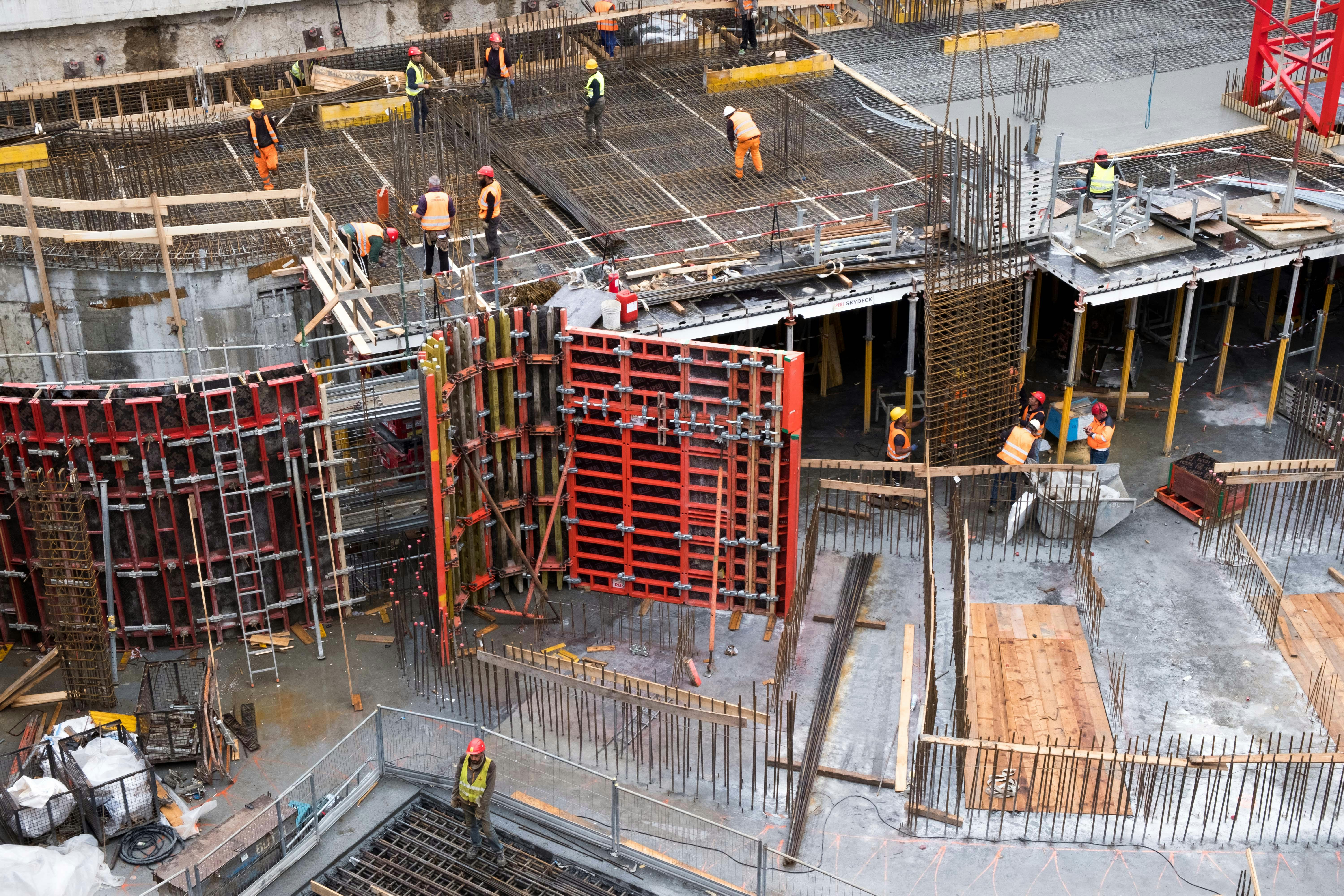
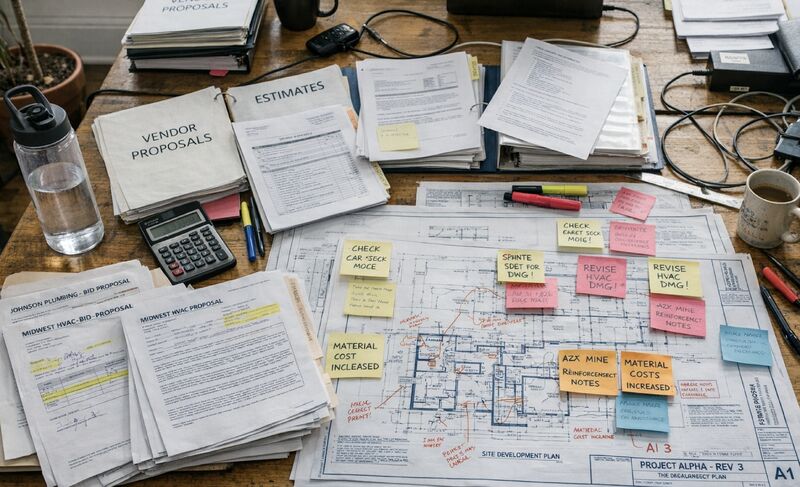
One estimator gets a PDF. Another gets a spreadsheet. A third gets an email with line items pasted into the body. Someone else is working off a handwritten scope breakdown that got scanned and sent over at 11pm. Before anyone can actually compare these bids, someone has to make them comparable. That job falls to the estimator. And it takes hours before the real work even starts.
This is the hidden tax on every preconstruction team. Not the analysis. The formatting.
The problem nobody talks about
When people talk about bid leveling, they talk about it like it's one thing. It isn't. It's two things stacked on top of each other, and only one of them requires any expertise.
The first is data work. Pulling numbers out of documents. Organizing scope items into a consistent structure. Flagging what's included, what's excluded, what's listed as an allowance. Making sure you're looking at the same line item across five different subs who each described it differently. This work requires accuracy and attention. It does not require twenty years of construction experience.
The second is judgment work. Reading the bid underneath the bid. Noticing that one sub is suspiciously low on a line item that always generates change orders. Knowing which exclusion is standard industry language and which one is a real risk. Deciding whether the relationship with a long-term partner is worth a 4% premium over an unknown quantity. This work requires exactly the kind of experience your senior people have spent careers building.
The problem is that right now, both of these things are done by the same person, sequentially. The expert does the data work first. Then, if there's time and energy left, they do the judgment work.
That sequencing is backwards. And it's costing teams more than they realize.
What actually gets missed
It's not that estimators aren't careful. It's that careful only gets you so far when you're manually moving through documents under deadline pressure.
The exclusion buried on page eight of an HVAC bid. The allowance listed in one sub's scope that every other sub treated as a hard number. The commissioning responsibility that nobody explicitly claimed and therefore nobody priced. These are not rare edge cases. They show up regularly, and they show up in the places that are hardest to catch when you're tired and the bid is due tomorrow.
The cost of a missed exclusion is not the exclusion itself. It's the change order. It's the conversation with the owner. It's the margin that was never really there.
A different way to run the process
The manual work in bid leveling is not irreducible. It just hasn't been automated well because construction documents are messy, inconsistent, and format-agnostic in ways that make them hard to process at scale. Different trades structure their bids differently. Different subs within the same trade structure their bids differently. A system that can only handle clean, consistent inputs is not useful in the real world.
Nivel was built to handle the messy reality. It reads bid documents regardless of format, normalizes scope across trades, flags exclusions and scope gaps, and produces a leveling sheet with every line item sourced back to the original document. A team can go from raw bids to a structured, comparable leveling sheet in minutes rather than hours.
What that changes is not the decision. The estimator still makes the award call. The judgment still belongs to the people who have earned it. What changes is when that judgment gets applied. Instead of arriving at the analysis exhausted from hours of data work, your team starts there.
The spreadsheet at midnight is not a rite of passage. It is a process problem with a solution.
If your team is still spending the first half of every bid review getting documents into a shape where they can be compared, that time is not coming back. But it does not have to keep going that way.
usenivel.com