AI Can't Learn Which Sub Delivers Under Pressure. But It Can Handle Everything Else.

Madhumitha SD
CEO and Co-Founder of Nivel
Share
Construction runs on knowledge that was never written down. AI can't learn any of it. But that's not actually the problem.
Which sub actually delivers when a project compresses two weeks into five days. Which PM buries problems until they're six-figure change orders. Which handshake relationship is worth more than the lowest number on a bid tab. This knowledge lives in the heads of the people who've been doing the work for twenty years.
No algorithm is going to learn it. Not because AI isn't impressive, but because that knowledge is built from lived experience, from patterns that never made it into a document, from the three calls you made after a job went sideways and what the other person said when they thought no one was writing it down.
So that's not the problem AI solves in construction.
Here's what is actually killing preconstruction teams right now. Not a shortage of judgment. A shortage of time to use it.
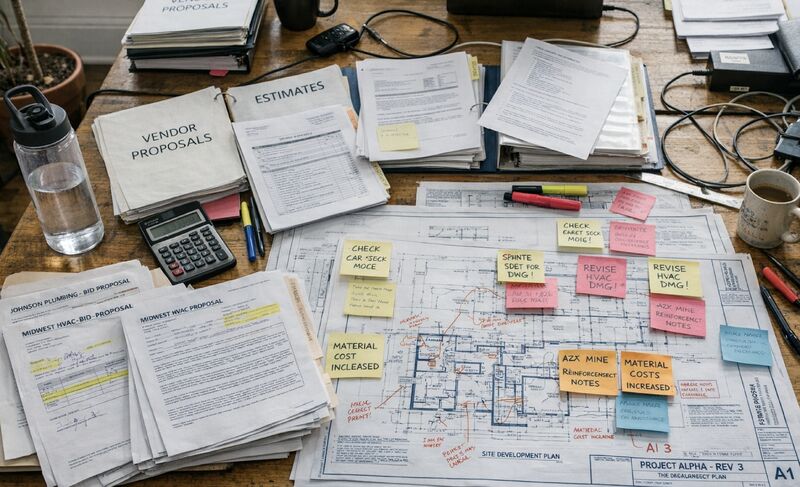
Your best estimator is spending hours transferring numbers from subcontractor PDFs into a spreadsheet. Then more hours going line by line, checking whether sub A's scope matches sub B's, trying to spot the exclusion buried on page seven of an HVAC bid before it becomes a $40,000 surprise in the field. That is not where their brain should be. That is table-stakes data work, and it is consuming the bandwidth of your most experienced people.
This is the misallocation AI actually solves. Not judgment. Throughput.
Reading 250 bid documents in under ten minutes and pulling every scope item, exclusion, and allowance into a normalized leveling sheet. Flagging scope gaps across trades before they become RFIs or change orders. Surfacing the exclusion on page eight that says the HVAC sub isn't responsible for commissioning, which the GC assumed was included. Sourcing every output back to the original document so your team can verify anything in seconds instead of hunting through PDFs.
What it cannot do: tell you that this sub always throws low to win the job and recovers margin through change orders. Tell you that the PM on that team has a reputation for hiding schedule problems. Weigh the value of a ten-year relationship against a 3% gap in the number. That is your judgment, earned over your career.
The two things are not in conflict. They are designed to work together.
The firms that will get the most out of AI in construction are the ones disciplined enough to use it for what it is actually good at, so their best people can spend time on what only they can do.
The competitive edge in preconstruction has always been judgment under pressure, built over years of deals done and deals that went sideways. AI does not change that. It just means you no longer have to spend your judgment on work that should never have required it in the first place.